
A contractor’s business card doesn’t spend its life sitting neatly in a desk drawer. It gets tucked into a wallet next to a phone at a job site, handed over with hands that have been working all day, tossed into a truck cab or toolbox, and carried around for weeks before it’s ever actually used. Standard paper cards weren’t designed for that kind of treatment, and it shows. For trade professionals, durability in branding materials isn’t a luxury consideration. It’s a practical necessity.
The Problem With Flimsy Branding Materials in the Field
Field conditions are genuinely hard on paper materials in a way that’s easy to underestimate from behind a desk. Moisture, dirt, folding, and general wear all take a toll on standard paper business cards far faster than they would in a typical office environment. A card that gets handed to a client at the start of a project can easily be unreadable or falling apart by the time that same client is ready to make a decision or refer the contractor to someone else.
This creates a real, practical problem beyond just aesthetics. If a potential client can’t read the contact information on a worn, damaged card, or if the card simply doesn’t survive long enough to be useful when it’s actually needed, the branding material has failed at its core function, regardless of how good the original design might have been.
What Durability Signals to Clients
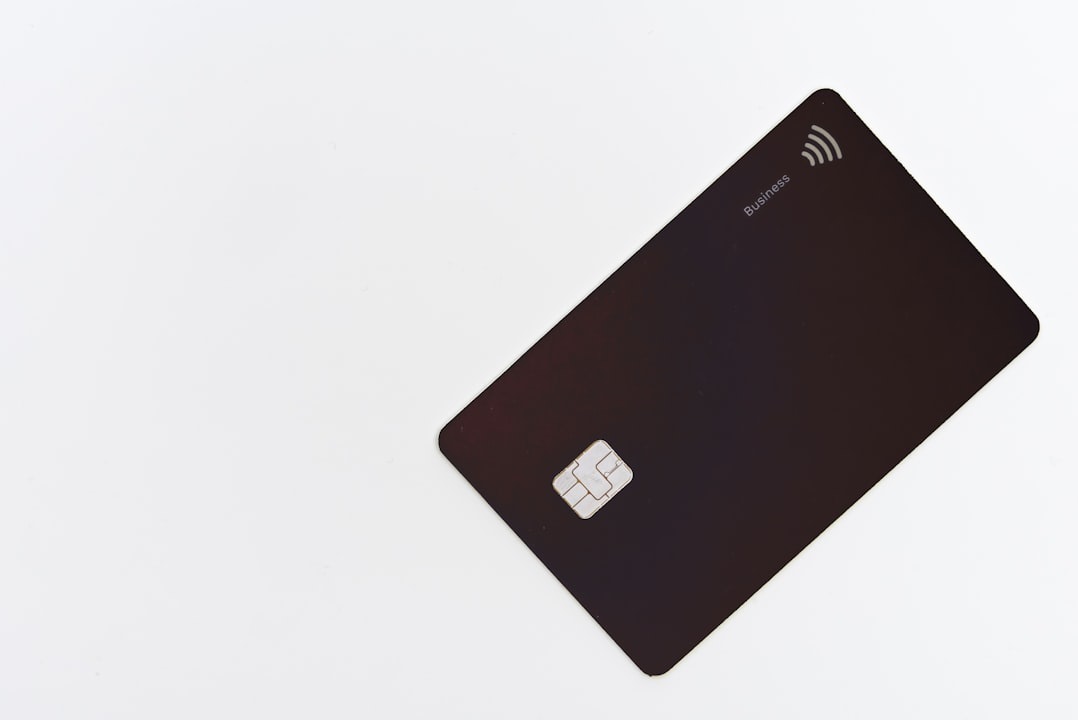
Beyond the practical issue of surviving field conditions, a durable business card carries an additional signal that matters specifically in trade industries: it reinforces, on a small physical scale, the same quality and durability a client hopes to receive from the actual work being done. A flimsy, easily damaged card creates a subtle but real disconnect for a client who’s hiring a contractor specifically because they want durable, high-quality work done on their property.
This is precisely the logic behind options like metal siding business cards, which use durable, weather-resistant material to create a card that can actually withstand the same kind of real-world conditions a contractor’s work itself needs to withstand. The card becomes a small, tangible proof point of the same values a client is hoping to see reflected in the larger project.
Materials Built to Survive Job Site Conditions
For trade professionals specifically, material selection for branding items should account for the actual conditions those materials will encounter, not just how they look in a clean, controlled environment. Metal or metal-treated materials resist moisture, folding damage, and general wear far more effectively than standard paper stock, making them a genuinely practical choice for professionals who spend significant time in the field rather than a purely cosmetic upgrade.
This practical durability consideration extends beyond business cards to other branding materials trade professionals regularly use in the field: vehicle signage, job site postings, and any printed material that’s likely to be exposed to weather or general wear. Choosing durable materials across these touchpoints, not just the business card, ensures a consistent, professional impression even in demanding field conditions.
Where to Prioritize Durability in Your Brand Toolkit
Not every branding material needs the same level of durability investment, and trade professionals should prioritize based on actual exposure and use conditions. Materials that regularly leave a controlled environment, business cards handed out on job sites, vehicle signage, outdoor postings, deserve the highest priority for durable material choices. Materials used primarily in more controlled settings, office paperwork, digital marketing, can reasonably use more standard materials without the same practical concerns.
This prioritization ensures that durability investment goes toward the materials where it actually matters most, rather than being applied uniformly regardless of how or where a given material will actually be used and encountered by clients.
Durability as Both a Practical and Branding Decision
For trade professionals, choosing durable branding materials isn’t simply an aesthetic upgrade. It’s a practical necessity given the real conditions those materials will face in the field, and it happens to carry the added benefit of reinforcing exactly the kind of quality and durability message that resonates most with clients in trade industries. Getting this decision right addresses a genuine functional problem while simultaneously strengthening the overall brand impression, a rare case where practicality and branding align this directly.